Body composition analysis
To see what is inside the number on the scale.
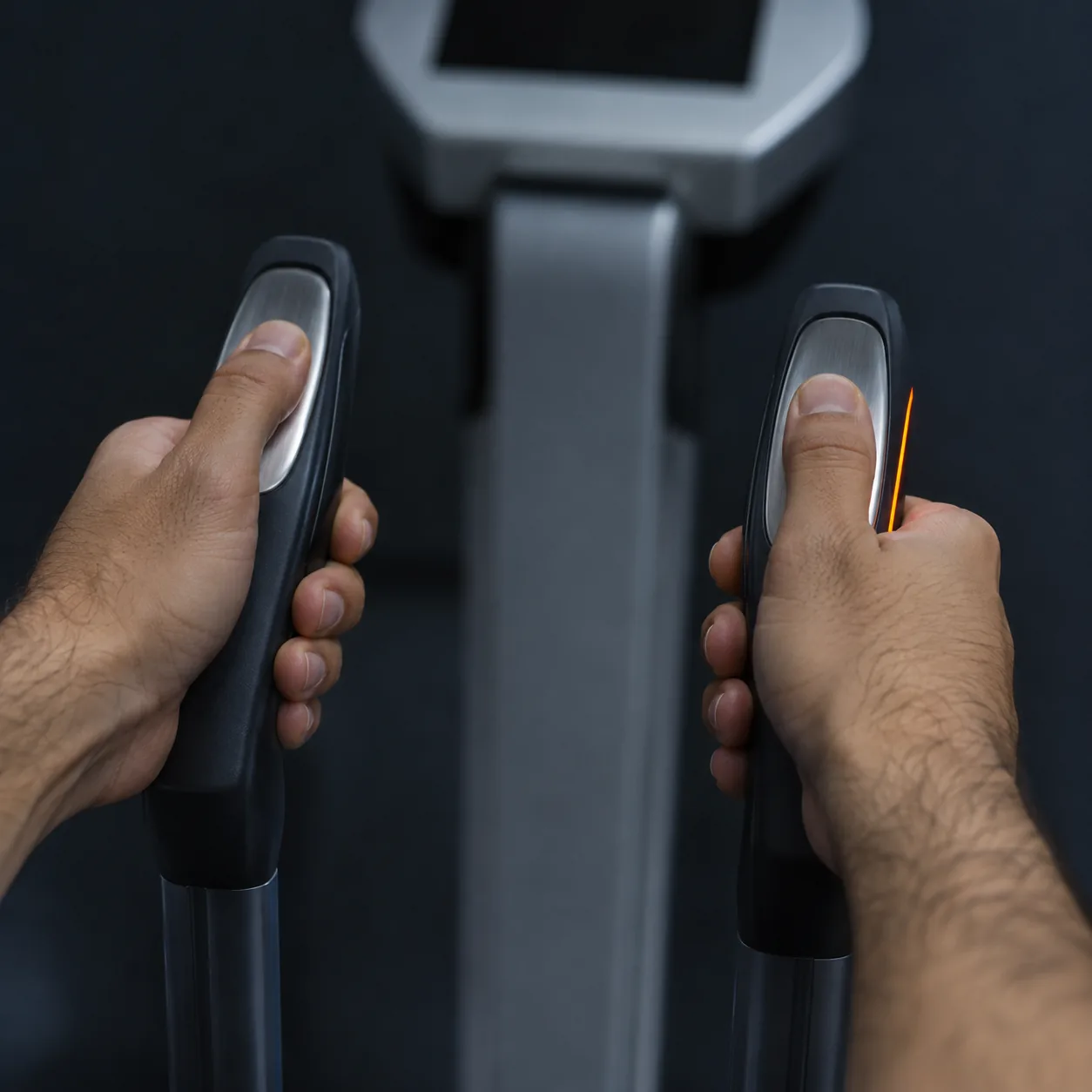
A scale gives one number; inside it are fat, muscle, water and bone. Body composition analysis estimates these with bioelectrical impedance (BIA). A harmless, imperceptible low current passes through the body; fat and fat-free mass are calculated from the tissues' resistance.
The method is sensitive to hydration: drinking a lot, sweating or a recent meal change the result. So we measure under the same conditions every time and look at the trend rather than a single reading. The result is not a diagnosis; it is one more piece of data on whether the plan is working.
It is not done with a pacemaker or other electronic implant, or during pregnancy. For athletes under 18 it is done with a parent's consent and interpreted with growth in mind.
Who is it for?
- Athletes who want to reduce fat mass while keeping muscle
- Team players who want to track change during the season
- Those in weight-class sports who want safe weight tracking
- Those who want data on whether their plan is working
What do we do?
- Preparation info before the measurement (fasting, fluids, time)
- About a one-minute measurement and reading the results together
- Comparison chart with previous measurements
- Printout and a short written comment
The process, step by step
- Preparation1 day beforeConditions arrive by e-mail: 3 hours fasting, no hard training for 12 hours.
- Measurement5 minBarefoot in light clothing; holding the device grips.
- Reading15 minResults and comparison with previous measurements.
- Repeat4–6 weeksSame time and conditions; the trend is followed.