About me
I am a dietitian and I work with athletes. I do not write lists of banned foods; I build plates around the training calendar.
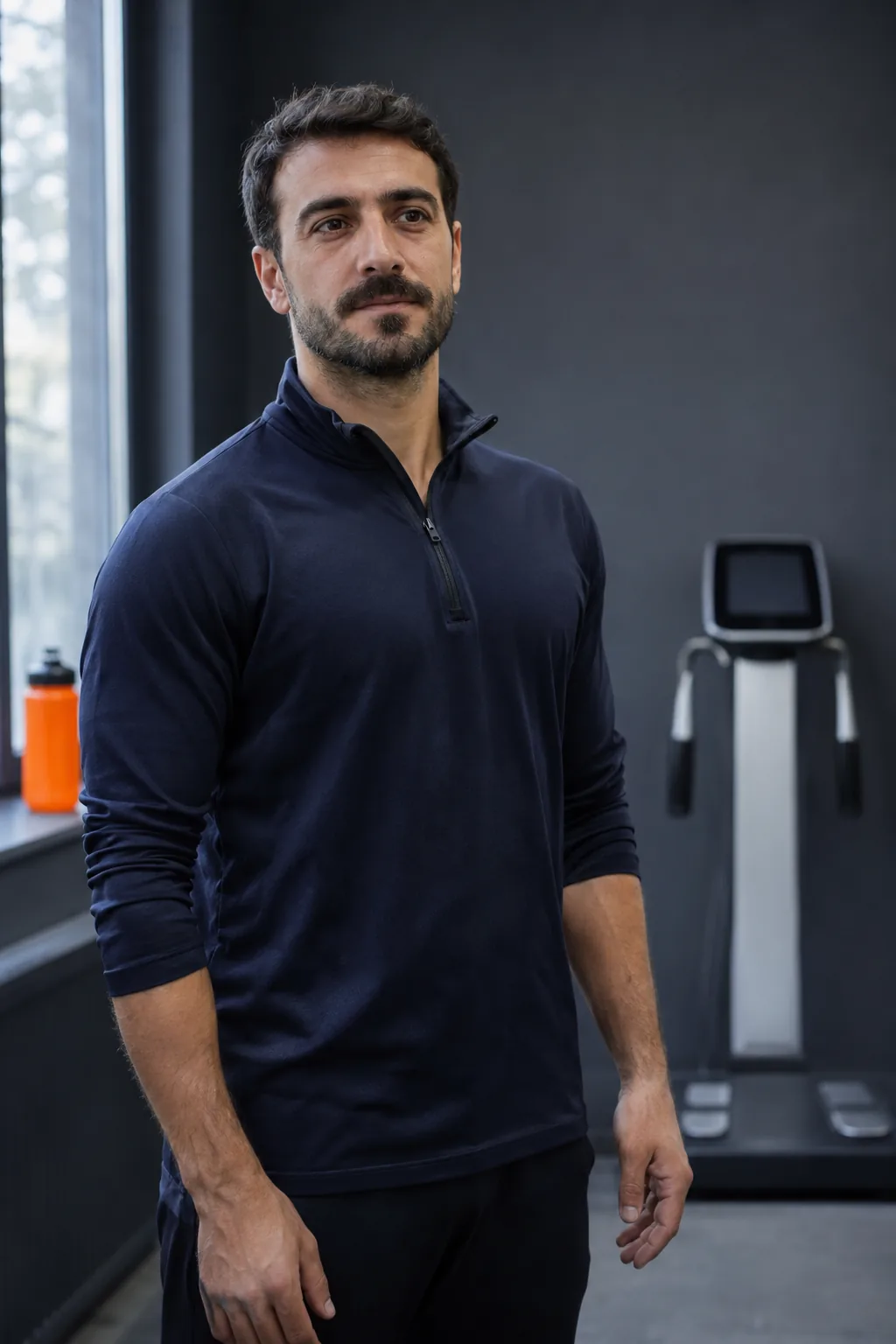
At high school I ran the 800 metres. On race mornings I did not know what to eat, so most of the time I left without eating anything.
That question was on my mind when I decided to study Nutrition and Dietetics. In my final year at Akdeniz University I did my placement with a football club's youth teams, and I have worked with athletes ever since.
Working in Antalya has an advantage: teams arriving for winter camp, runners training outdoors all year, triathletes and beach volleyball players. Each has a different load, schedule and sweat rate. That is why I read the training log before writing a plan.
Most of my clients are amateurs: people who run after work, ride at weekends, prepare for their first marathon. I work with professionals too, but the first question is always the same: what fuel are you doing this session on?
Education and certificates
- 2013–2017Nutrition and Dietetics (BSc)Akdeniz University, Faculty of Health Sciences
- 2017Nutrition placement with a youth football teamAntalya
- 2018Sports nutrition certificate programmeDistance, 120 hours
- 2019Body composition measurement and assessmentPractical training
- 2021Nutrition in endurance sportsCourse and case studies
- 2023Nutrition for children and young athletesCertificate programme
Certificates
- Sports nutrition certificate programme
- Bioelectrical impedance body composition practitioner training
- Basic life support (renewed every two years)
Memberships
- Turkish Dietetic Association
- Antalya Dietitians Association
How I work
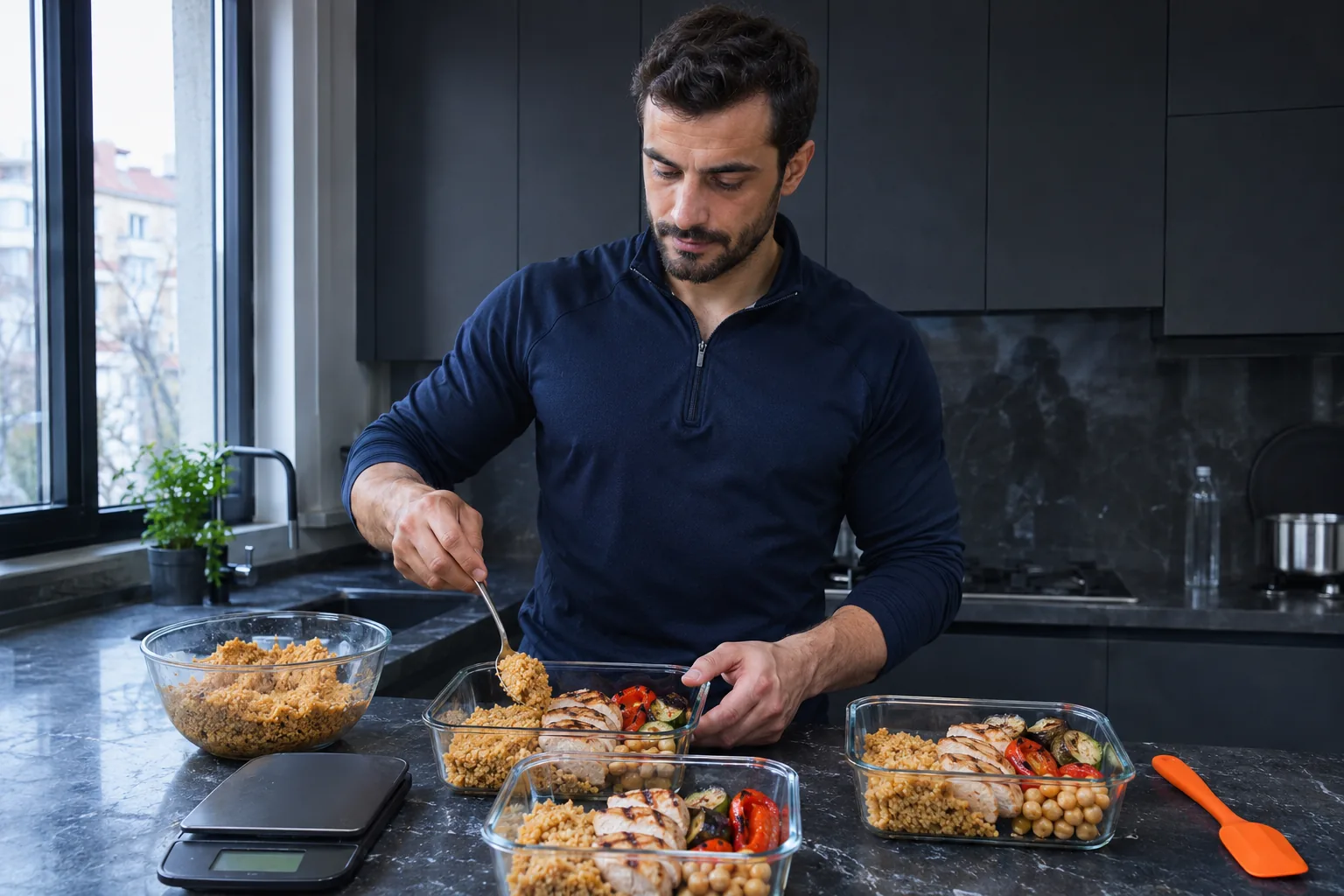
Training log first
The plan follows the weekly training load. A long-run day, a strength day and a rest day do not share the same plate.
No bans, just timing
Rather than removing a food we look at when to eat it. What upsets the stomach is often not the food but the time.
Try it in training
Nothing new on race day. Gels, drinks, breakfast: all tested in long sessions first.
Supplements last
The plate first. A supplement comes up only if truly needed, with a certified product and after talking to your doctor.
What I do
- Plan training and race nutrition for healthy athletes.
- Measure body composition and follow changes over time.
- Teach at clubs and schools and advise on canteen menus.
- Refer you to a doctor, psychologist or physiotherapist when needed.
What I do not do
- Diagnose illnesses or recommend medication.
- Promise "guaranteed results" or "x kilos in y weeks".
- Follow an athlete with a suspected eating disorder alone; we build a team.
- Recommend supplements that carry a doping risk or are not certified.
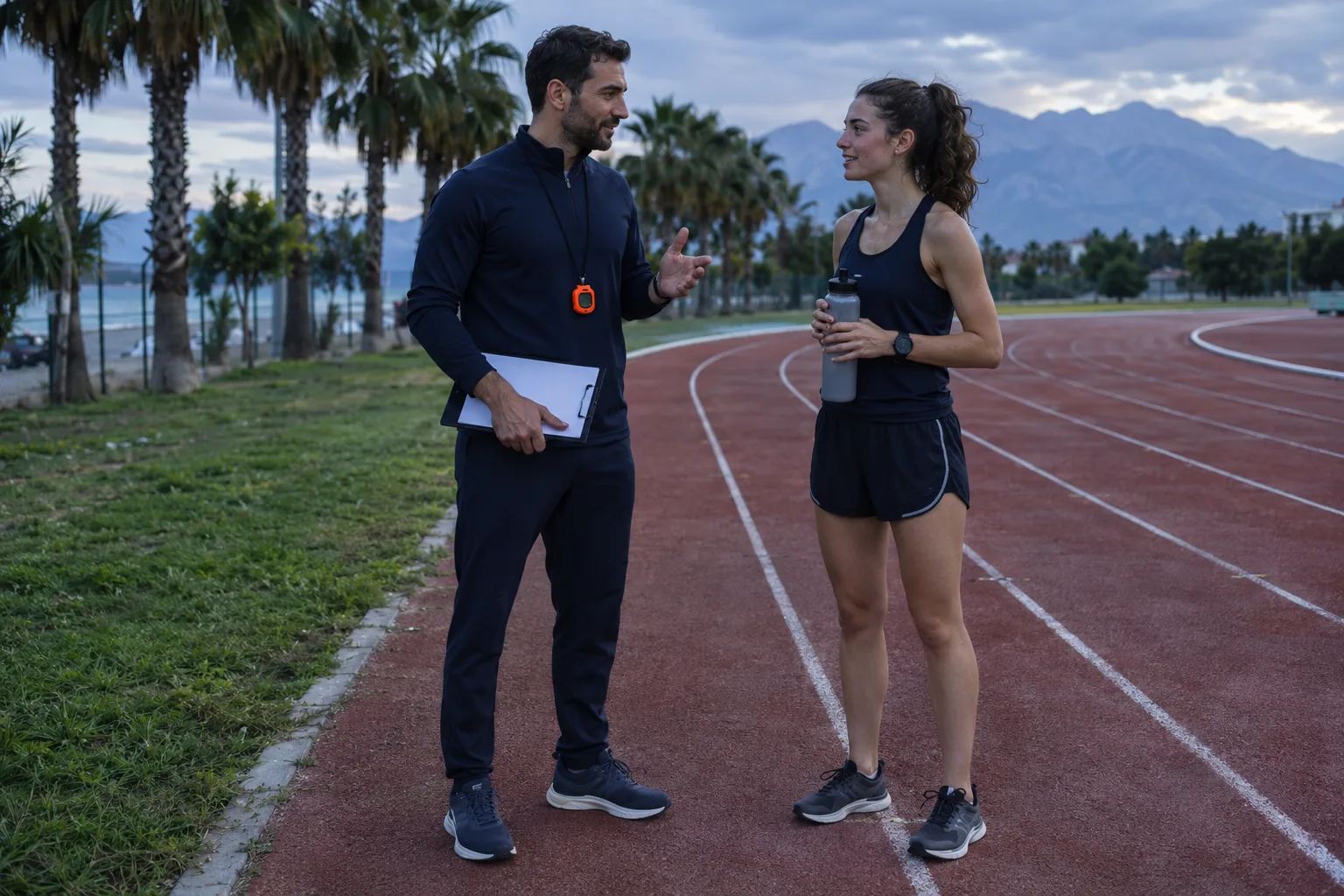

Bring your training calendar; we will talk about the rest in the first session.
Book a session